
تسخير إمكانات الشمس الكاملة: الدليل الأساسي لأنظمة تعقب الطاقة الشمسية
في إطار السعي الدؤوب لتحسين الطاقة المتجددة، برز جهاز التتبع الشمسي كتقنية محورية تعزز بشكل كبير من كفاءة وإنتاج المنشآت الكهروضوئية. من خلال محاذاة الألواح الشمسية باستمرار مع مسار الشمس من شروق الشمس إلى غروبها، يمكن لنظام التتبع الشمسي زيادة إنتاج الطاقة بما يصل إلى 301 تيرابايت 3 تيرابايت مقارنةً بأنظمة الميل الثابت. وهذا التعزيز الكبير يجعل من أجهزة التتبع الشمسي استثمارًا مقنعًا لزيادة العائد وكفاءة استخدام الأرض. ومع ذلك، يكمن التحدي الأساسي في تصميم نظام لا يتسم بالدقة فحسب، بل يتسم أيضًا بالمتانة الفائقة، وقادر على تحمل عقود من التعرض البيئي القاسي بأقل قدر من الصيانة.
إذا كنت ترغب في معرفة المزيد من تفاصيل بناء المتتبع الشمسي، يُرجى انقر هنا لمعرفة المزيد
العمود الفقري للموثوقية: حلول التشغيل المتينة
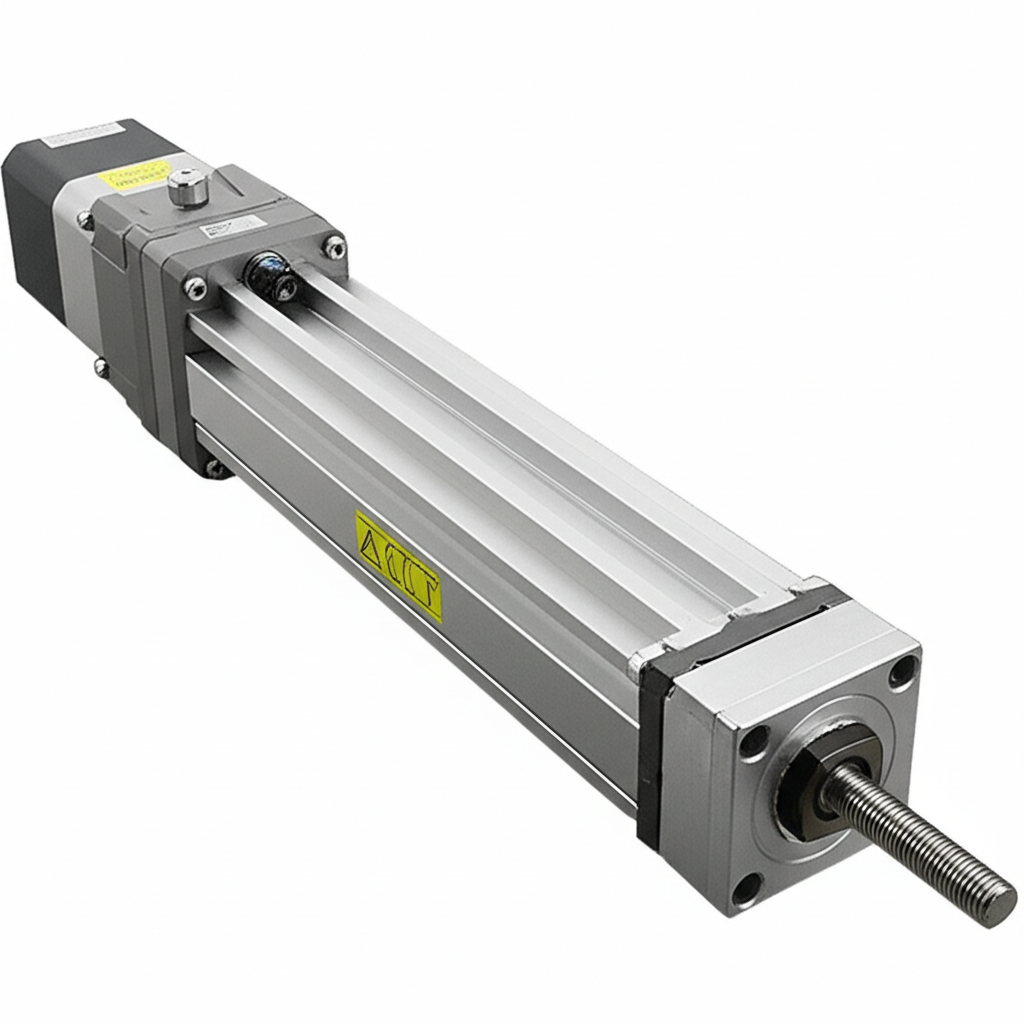
إن قلب أي جهاز تعقب شمسي فعال هو آلية تشغيله. حيث يجب أن يوفر وضعًا صلبًا وثابتًا يقاوم القيادة الخلفية في ظل أحمال الرياح القوية، والتي يمكن أن تمارس قوى تتجاوز 9000 نيوتن على صفائف الألواح. وهنا تصبح الحلول المصممة هندسيًا مثل المشغلات الخطية القوية والرافعات اللولبية أمرًا لا غنى عنه. تدمج المشغلات المتميزة المصممة لتطبيقات الطاقة الشمسية ميزات مثل ميكانيكا عدم الرجوع للخلف أو مكابح التثبيت الاختيارية، مما يضمن بقاء الألواح ثابتة في موضعها بشكل آمن حتى أثناء العواصف الشديدة. هذه السلامة الميكانيكية هي خط الدفاع الأول في نظام مصمم لعمر افتراضي يزيد عن 25 عامًا.


الدقة تجتمع مع المتانة: الميزات الرئيسية لنجاح الطاقة الشمسية
يمتد الحل المتفوق لمتتبع الطاقة الشمسية إلى ما هو أبعد من الحركة الأساسية، حيث يتضمن ميزات ذكية للحماية والتحكم وطول العمر.
-
الحماية من السفر الزائد: تعتبر مفاتيح حد نهاية الشوط المدمجة والقابلة للتعديل ضرورية للغاية. فهي تمنع تلف هيكل اللوحة الشمسية من خلال الحد من نطاق الحركة بشكل نهائي، مما يوفر أمانًا موثوقًا ضد الحركة الميكانيكية الزائدة.
-
التغذية الراجعة الدقيقة للتتبع الأمثل: يتطلب التتبع الدقيق للشمس تغذية مرتدة موضعية في الوقت الحقيقي. يمكن تجهيز المشغلات عالية الجودة والمقابس اللولبية بأجهزة تغذية راجعة تناظرية أو رقمية - مثل مقاييس الجهد أو المشفرات أو أجهزة حل المشكلات. تسمح هذه البيانات لنظام التحكم بإجراء تعديلات دقيقة على مدار اليوم، مما يضمن التقاط الألواح لكل واط ممكن من الطاقة الشمسية.
-
مصممة للعناصر: يعمل جهاز تعقب الطاقة الشمسية في بيئة قاسية من الشمس والأمطار والرياح والثلوج. يجب أن تكون المكونات مصممة خصيصًا لهذه الظروف. تضمن المواد المقاومة للتآكل، والتصنيفات العالية للحماية من الدخول (IP)، والتصميمات محكمة الغلق أن تعمل أنظمة التشغيل بشكل موثوق مع القليل من الصيانة أو بدون صيانة، ومقاومة الضغوط التي تفرضها الطبيعة.
التخصيص: مفتاح التكامل السلس
لكل مزرعة شمسية اعتبارات جغرافية وهيكلية فريدة من نوعها. ولذلك، فإن المكونات الجاهزة لا تفي بالغرض في بعض الأحيان. وغالبًا ما تستفيد عمليات نشر أجهزة تعقب الطاقة الشمسية الأكثر نجاحًا من حلول التشغيل المخصصة. يمكن للشريك الذي لديه تاريخ مثبت في الهندسة المخصصة تطوير حزم مصممة خصيصًا - مثل أنظمة التركيب المتكاملة أو أطوال الأشواط المهيأة خصيصًا - التي تبسط التجميع في الموقع، وتقلل من وقت التركيب، وتخلق بنية أكثر تماسكًا وقوة.
الخلاصة: تتبع أكثر ذكاءً لتحقيق أقصى عائد
يعد تنفيذ نظام تعقب الطاقة الشمسية قرارًا استراتيجيًا لتعظيم أداء الاستثمار في الطاقة الشمسية. ويعد اختيار نظام التشغيل أمرًا بالغ الأهمية لتحقيق هذا النجاح. من خلال اختيار المكونات التي توفر مزيجًا من القوة الغاشمة والتغذية المرتدة الدقيقة والمرونة البيئية وإمكانية التخصيص، يمكن للمطورين وشركات الهندسة والمشتريات والبناء ضمان أن توفر منشآتهم أعلى كفاءة لعقود من الزمن. يعمل جهاز تعقب الطاقة الشمسية المتقدم، المدعوم بمشغلات متينة وذكية، على تحويل مجموعة ثابتة إلى أصل ديناميكي يصطاد الشمس، مما يدفع حدود توليد الطاقة النظيفة ويعزز العوائد المالية والبيئية للمشروع.
المنتجات النسبية للمتعقب الشمسي:
مشغلات خطية للخدمة الشاقة: سلسلة PA7; سلسلة PA8; سلسلة PA9; سلسلة PA10



 English
  Arabic
  Russian
  Spanish
  French
  Japanese
  Korean
  German
اترك تعليقًا