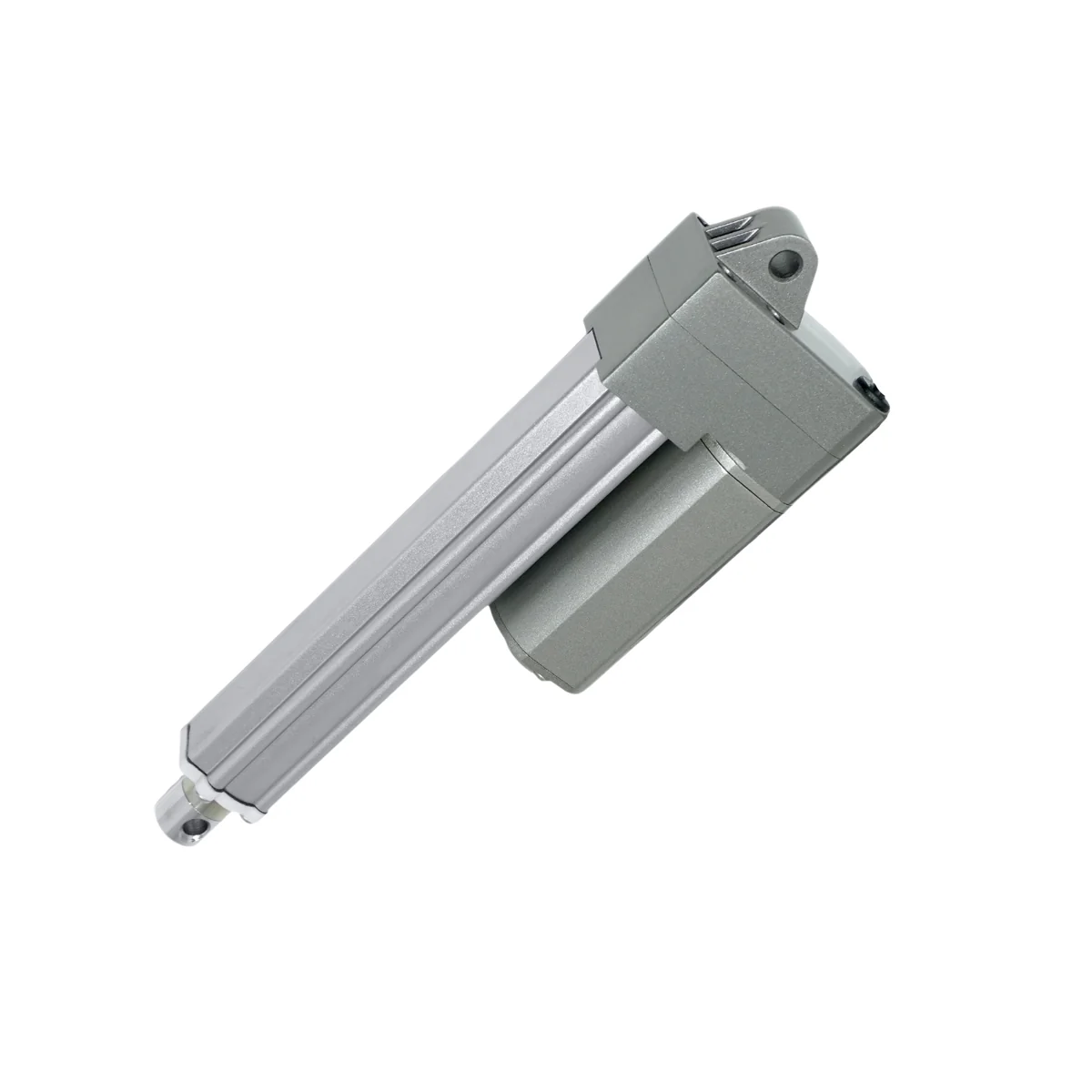
Agriculture linear actuators and linear motors are transforming modern farming and animal husbandry by automating ventilation, machinery adjustment, feeding systems, and climate control—boosting efficiency, precision, and animal welfare while reducing manual labor.

はじめに

As global demand for food production continues to rise, farmers and agricultural engineers are increasingly turning to automation to improve efficiency, reduce labor costs, and optimize crop and livestock yields. At the heart of this transformation are agriculture linear actuators そして リニアモーター—compact, reliable electromechanical devices that convert rotational motion into precise linear movement. Unlike traditional hydraulic or pneumatic systems, electric linear actuators offer clean, energy-efficient, and low-maintenance operation, making them ideal for the harsh and variable environments found in both crop farming and livestock management.
From greenhouse ventilation to tractor seat adjustment, and from automated feeding systems to livestock barn climate control, linear motion technology is now embedded across the entire agricultural value chain. This article explores the specific applications of agriculture linear actuators and linear motors in agriculture and animal husbandry, supported by real-world examples.

1. Greenhouse and Crop Ventilation Systems

One of the most widespread applications of agriculture linear actuators is in greenhouse automation. Maintaining optimal temperature and humidity is critical for crop health, and natural ventilation through roof and side windows remains the most energy-efficient method. Linear actuators automatically open and close these windows based on signals from temperature, humidity, or wind sensors.
For example, in large commercial tomato or lettuce greenhouses, multiple リニアモーター are synchronized to gradually open roof vents during peak sunlight hours, preventing heat stress while ensuring consistent airflow. The high IP-rating (IP66 or above) of modern agricultural actuators ensures reliable performance despite constant exposure to moisture, dust, and fertilizer chemicals.
Reliable Actuators for Agriculture & Farming Equipment – Progressive Automations
Figure 1: Waterproof electric linear actuators enable automated greenhouse ventilation, maintaining ideal growing conditions year-round.

2. Precision Adjustment on Agricultural Machinery

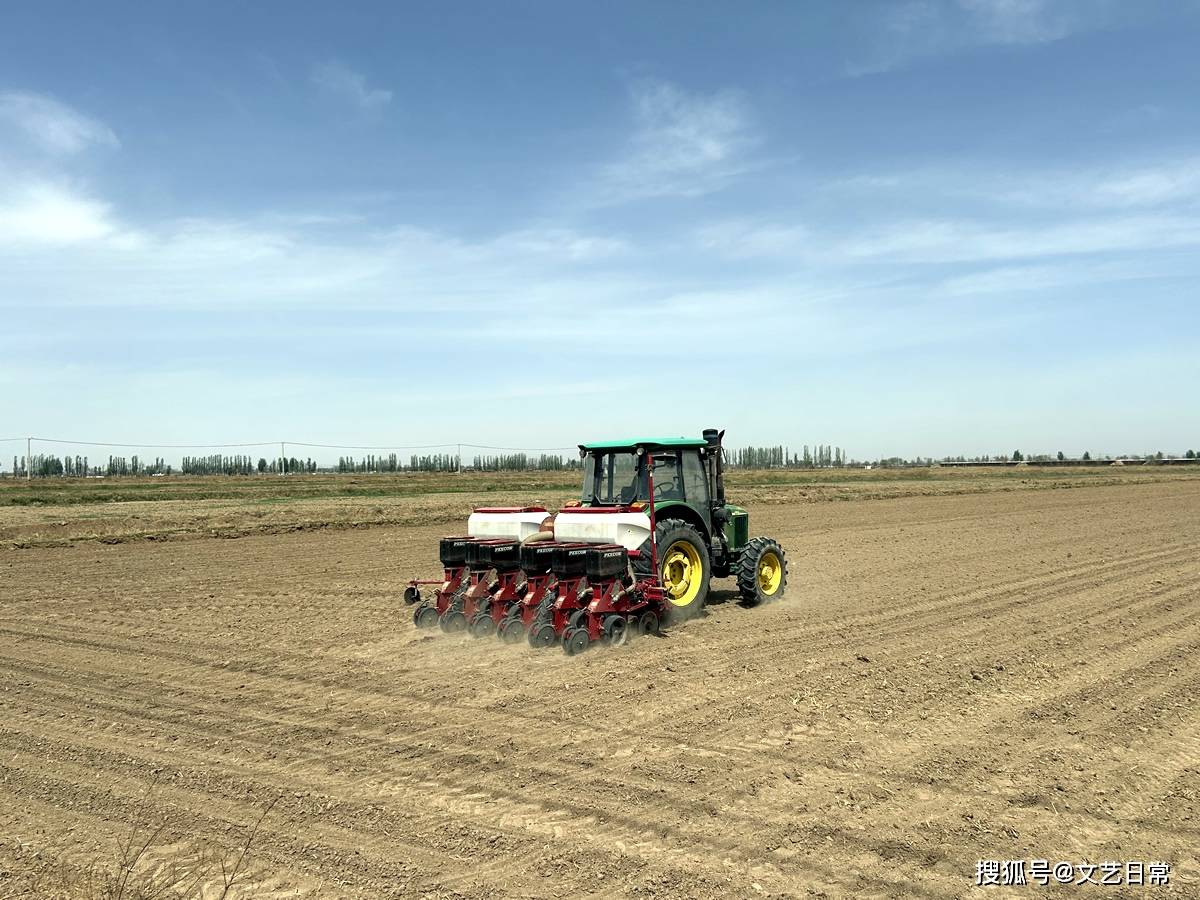
Modern tractors, harvesters, and seeding equipment rely heavily on agriculture linear actuators for real-time positional adjustment. Unlike manual levers, electric actuators allow operators to make micron-level adjustments from the cabin using joystick or GPS-integrated controls.
Specific examples include:
  • Combine Harvester Headers: Linear actuators adjust the height and angle of the cutter bar automatically as terrain changes, ensuring clean crop cutting while minimizing soil contamination.
  • Seed Drill Depth Control: Linear motors precisely set and maintain seed planting depth across varying soil conditions, directly impacting germination rates and crop uniformity.
  • Fertilizer and Sprayer Booms: Actuators control boom folding, height, and nozzle angle, allowing operators to adapt to different field topographies and wind conditions.
Figure 2: Linear actuators integrated into harvester headers and tractor systems enable precision adjustment for varying terrain and crop conditions.

3. Tractor Ergonomics and Operator Comfort

Long hours in the field place significant physical strain on operators. リニアモーター are increasingly used to automate seat positioning, steering column tilt, and pedal adjustment in modern tractor cabins. This not only improves operator comfort but also enhances safety by ensuring optimal visibility and control reach for drivers of varying stature.
For instance, premium tractor models now feature memory-position seats driven by compact linear actuators, allowing multiple operators to recall their preferred driving position instantly.
Automated farm equipment uses rugged linear components
Figure 3: Rugged linear components adjust tractor seating and steering systems, improving ergonomics for long-duration field operations.

4. Livestock Housing and Climate Control

In animal husbandry, maintaining a stable indoor climate is essential for animal health, growth rates, and disease prevention. Agriculture linear actuators are extensively deployed in pig houses, poultry barns, and dairy facilities to automate ventilation windows, curtain systems, and air-inlet controls.
Key livestock applications include:
  • Automated Barn Windows: Actuators open and close side-wall or ceiling vents to regulate temperature and ammonia levels. In poultry farms, precise ventilation control reduces heat stress during summer and prevents moisture buildup in winter.
  • Curtain Systems: In pig and dairy housing, roll-up curtains driven by linear motors respond to wind and temperature sensors, creating a dynamic thermal barrier without manual intervention.
  • Emergency Ventilation: Battery-backed linear actuators ensure critical ventilation windows remain operable during power failures, safeguarding livestock in extreme weather events.
Figure 4: Heavy-duty linear actuators power ventilation windows and curtain systems in pig and poultry houses, ensuring automated climate control and animal welfare.

5. Automated Feeding and Watering Systems

Precision feeding is critical in modern livestock operations. リニアモーター drive the dispensing mechanisms in automated feed stations, allowing programmable control over feed rations based on individual animal weight, age, or lactation stage. This reduces feed waste and ensures nutritional consistency across the herd.
In dairy operations, linear actuators also adjust water trough levels and automated gate systems that guide cattle through milking parlors. The smooth, controllable motion of electric actuators prevents startling animals, reducing stress and improving milk production metrics.

6. Fences, Gates, and Handling Equipment

Handling large animals safely requires robust and reliable mechanical systems. Agriculture linear actuators power automated gates, sorting pens, and chute systems in cattle and sheep handling facilities. These systems allow a single operator to manage animal flow remotely, improving both labor efficiency and biosecurity by minimizing human-animal contact.
For example, in automated sheep-shearing or cattle-vaccination lines, linear actuators control the sequential opening and closing of squeeze chutes and sorting gates, synchronizing the process with RFID-based animal identification systems.

Advantages of Electric Linear Actuators Over Hydraulic Systems

The shift toward agriculture linear actuators そして リニアモーター in farming is driven by several distinct advantages:
特徴 Electric Linear Actuators Hydraulic Systems
エネルギー効率 Power only during movement Constant pump energy loss
Environmental Safety No oil leaks or contamination Risk of fluid spills
Precision Control Programmable position and speed Less accurate positioning
メンテナンス Minimal, long service life Frequent seal and hose replacement
Integration Easy PLC and IoT connectivity Complex control infrastructure
These benefits make electric linear motion the preferred choice for farmers investing in smart, sustainable automation.

結論

From crop production to livestock management, agriculture linear actuators そして リニアモーター have become indispensable tools in the modernization of farming. Their ability to deliver precise, reliable, and environmentally friendly linear motion supports a wide spectrum of applications—including greenhouse ventilation, machinery adjustment, barn climate control, automated feeding, and animal handling.
As the agricultural sector continues its transition toward precision farming and Industry 4.0, the demand for rugged, sensor-integrated linear actuators will only accelerate. For OEMs and farm operators alike, investing in high-quality agriculture linear actuators is not merely an upgrade—it is a strategic step toward higher yields, lower operational costs, and more sustainable food production.