
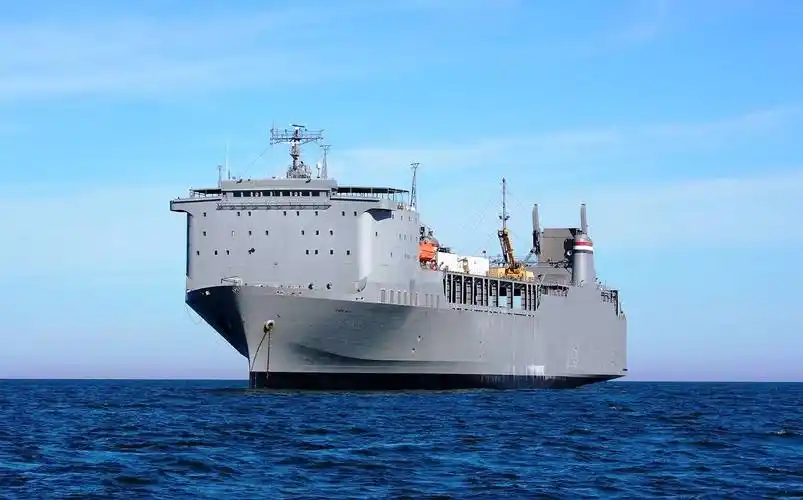
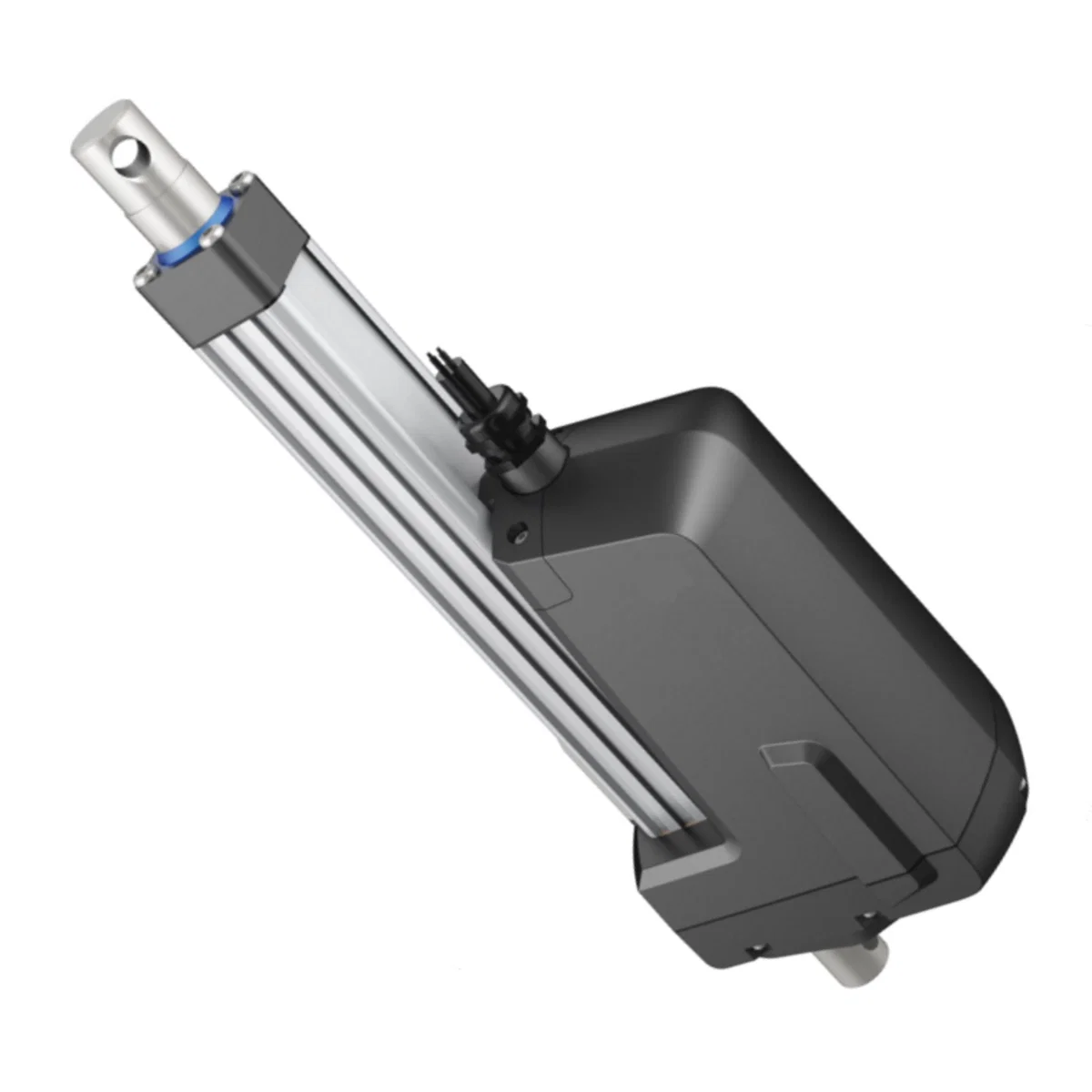
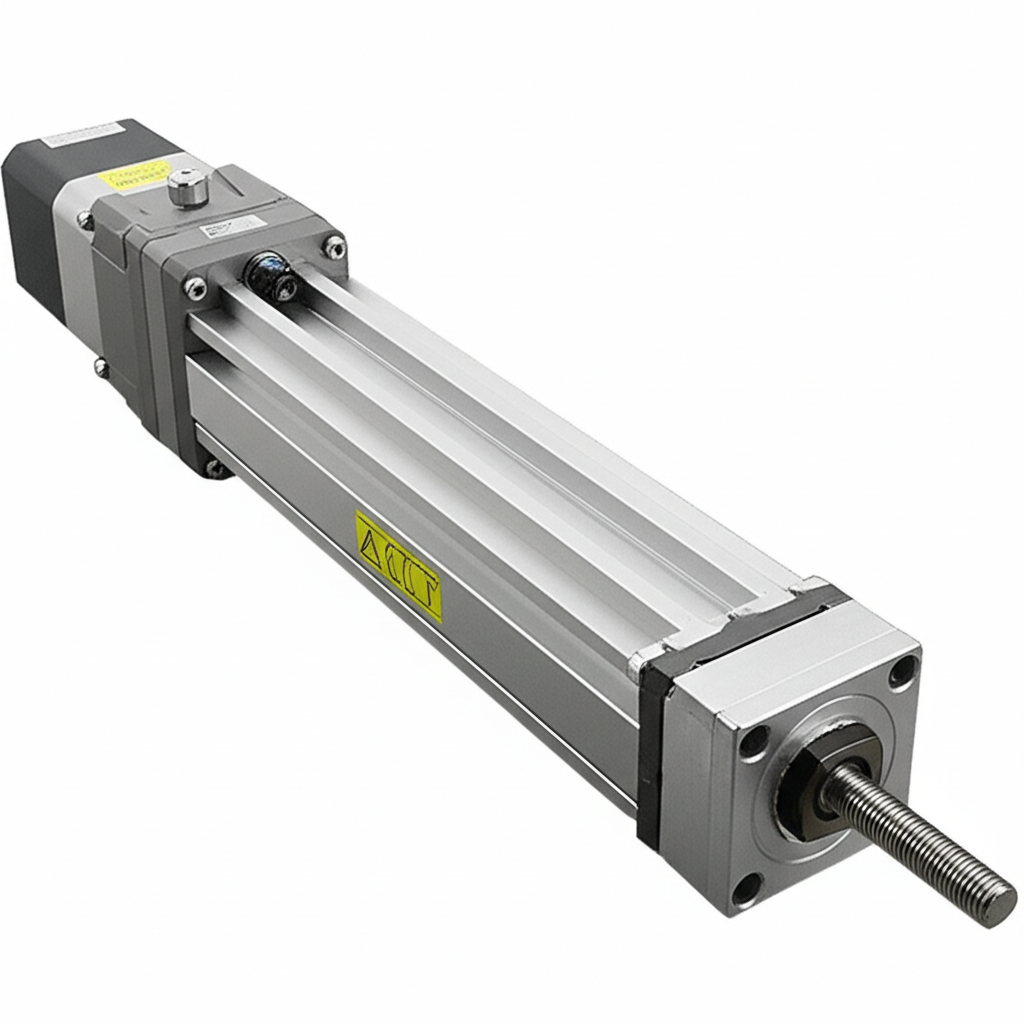
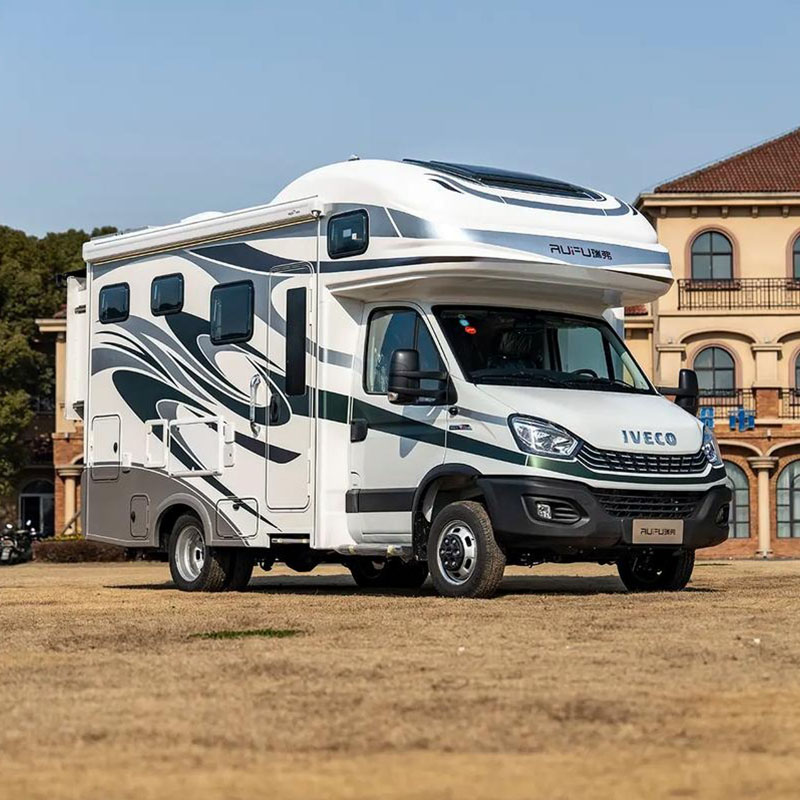
In the rapidly evolving world of rv-marine-automation, linear actuators and electric cylinders have become indispensable electromechanical components. Whether you are outfitting a luxury motorhome with automated slide-out rooms or upgrading a yacht with intelligent hatch control, these compact yet powerful devices convert rotational motion into precise linear movement. Below is a comprehensive look at how rv-marine-automation linear actuator technology is transforming both recreational vehicles and marine vessels, along with the advantages and limitations of each application.
1. RV Applications: Bringing Smart Living on the Road
Slide-Out Room Extensions
One of the most visible uses of an electric cylinder in the RV industry is the automated slide-out room. When parked, the actuator extends the side wall outward, sometimes adding 30–40 inches of interior living space. Modern rv-marine-automation linear actuator systems synchronize two or more actuators via a central control board to ensure the room extends evenly without binding.
Pros: Massive increase in usable floor space; one-button operation; reliable load-holding thanks to self-locking lead screws. Cons: Adds significant weight to the chassis; requires precise alignment during installation; potential for water intrusion at the seals if not maintained.

Roof Lifts and Pop-Up Mechanisms
Pop-up campers and hard-wall roof-lift systems rely on compact linear actuators to raise the roof section for standing headroom. Because these systems operate in outdoor environments with dust, rain, and temperature swings, manufacturers specify actuators with IP65 or higher ingress protection.
Pros: Quick setup compared to manual cranking; even lifting force reduces frame stress. Cons: Limited stroke length can restrict maximum roof height; motor draw can strain house batteries if the RV is off-grid.
Leveling and Stabilization
Electric leveling jacks powered by heavy-duty electric cylinders replace traditional hydraulic systems in many mid-range motorhomes. Each jack is essentially a high-force linear actuator that extends to lift a corner of the vehicle until the floor is perfectly level.
Pros: No hydraulic fluid leaks; quieter operation; easier troubleshooting with modular 12 VDC motors. Cons: Slower extension speed compared to hydraulic rams; limited lifting capacity on ultra-heavy Class A coaches.
2. Marine Applications: Precision in Harsh Environments
Engine Hatch and Storage Lid Automation
On modern boats, engine hatches, fish-box lids, and tender garages are increasingly automated. A marine-grade rv-marine-automation linear actuator with stainless-steel hardware and sealed electronics can open a heavy fiberglass hatch at the press of a button, even when the boat is rocking in swells.
Pros: Hands-free access in tight quarters; programmable stop points prevent slamming; corrosion-resistant coatings survive salt spray. Cons: Higher cost than gas struts; electrical failure in a wet environment can trap the hatch in the closed position if no manual override is fitted.
Throttle and Shift-by-Wire Controls
High-performance vessels now use electric cylinders for electronic throttle and shift linkages. These actuators translate digital helm commands into precise mechanical movement at the engine, eliminating long cable runs that stretch and corrode.
Pros: Extremely smooth, repeatable throttle response; reduced maintenance versus mechanical cables; easy integration with autopilot and joystick docking systems. Cons: Requires redundant power and signal paths for safety; sophisticated control algorithms add system complexity.
Helm Seat and Table Adjustments
Luxury cruisers use compact linear actuators to create adjustable helm seats and transformable dinette tables. A single actuator can raise, lower, or tilt a seat, while paired actuators create synchronized table movements.
Pros: Silent, vibration-free operation enhances onboard comfort; low-profile design preserves interior aesthetics. Cons: Limited to lighter loads; exposed sliding rails need regular lubrication in salt-air environments.
3. Cross-Platform Considerations
| Feature | RV Slide-Out / Leveling | Marine Hatch / Throttle |
|---|---|---|
| Typical Force | 2,000–6,000 N | 1,500–5,000 N |
| Voltage | 12 VDC (house battery) | 12–24 VDC |
| IP Rating | IP54–IP65 | IP66–IP69K |
| Key Material | Powder-coated aluminum | 316 stainless steel / anodized aluminum |
| Control | Sync board, hall sensors | CAN bus, potentiometer feedback |
When selecting an electric cylinder for either domain, engineers must balance stroke length, duty cycle, and environmental sealing. In the RV world, duty cycles tend to be low—perhaps ten cycles per day—whereas marine throttle actuators may run continuously during long passages, demanding higher duty-cycle ratings.
4. Summary of Advantages and Limitations
Universal Advantages of rv-marine-automation linear actuator Systems
- Clean energy source: No hydraulic pumps, hoses, or fluid reservoirs to maintain.
- Precise positioning: Stepper and servo-driven electric cylinders offer millimeter-level repeatability.
- Easy integration: Standard 12 VDC or 24 VDC power and simple two-wire reversing polarity make retrofitting straightforward.
- Safety: Many units include built-in limit switches and overload clutches to prevent mechanical damage.
Common Limitations
- Speed vs. force trade-off: High-force actuators move slowly; high-speed units sacrifice thrust.
- Power consumption: Sustained holding or frequent cycling can deplete RV house batteries or strain marine alternators.
- Environmental vulnerability: Even with high IP ratings, prolonged submersion or freeze-thaw cycles can eventually compromise seals.
- Initial cost: A quality rv-marine-automation linear actuator typically costs more than a manual crank or gas-spring alternative.
Conclusion
From extending a motorhome’s living room to opening a yacht’s engine hatch at the touch of a button, linear actuators and electric cylinders are the quiet workhorses of modern rv-marine-automation. While each application carries unique trade-offs in weight, speed, and environmental durability, the trend is unmistakable: both industries are moving toward cleaner, smarter, and more user-friendly electromechanical solutions. Whether you are a manufacturer designing the next generation of smart RVs or a boat builder integrating digital helm controls, choosing the right rv-marine-automation linear actuator is essential for delivering reliability, comfort, and performance on the road or at sea.
Leave A Comment