

In modern automation and motion control systems, achieving precise speed regulation is critical for performance, efficiency, and product longevity. Whether you are designing a solar tracking system, industrial pressing equipment, or automated assembly lines, selecting the right linear actuator control solution depends heavily on your application requirements and budget constraints. This article explores three popular linear motion technologies—electric cylinder control, linear actuator control, and linear guide control—and provides cost-optimized speed control strategies for each.
Electric cylinder with servo motor and force sensor feedback:
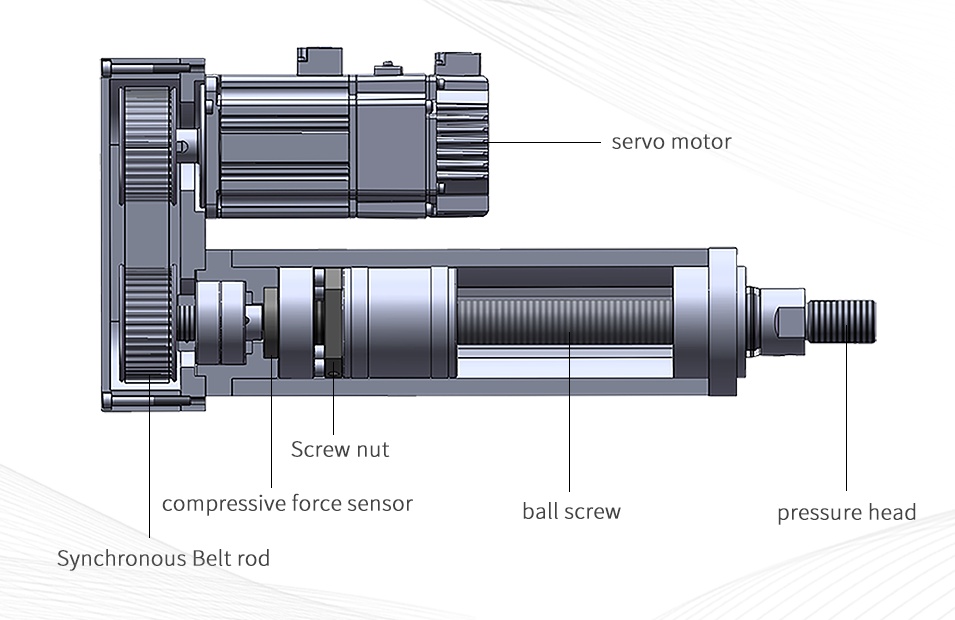
Electric cylinder internal structure showing ball screw and servo motor:

Servo power unit with precision control system:
1. Electric Cylinder Control: High-Precision, High-Force Applications
An electric cylinder (also known as a servo electric cylinder) integrates a servo motor with a ball screw or roller screw mechanism inside a rigid cylindrical housing. This design delivers exceptional thrust, precision, and rigidity, making it ideal for pressing, clamping, and high-load positioning tasks.
Speed Control Methods
For electric cylinder control, the most effective speed regulation is achieved through servo drive systems with closed-loop feedback. A servo motor paired with a dedicated servo driver allows precise velocity control via pulse-width modulation (PWM) and real-time encoder feedback. Advanced systems can also integrate force sensors for pressure-controlled motion.
A cost-effective alternative for medium-precision applications is using a brushless DC (BLDC) motor with Hall sensor feedback combined with a simple PWM controller. While this sacrifices some positional accuracy compared to full servo systems, it significantly reduces cost while maintaining reasonable speed stability.
Cost Optimization
- High-end: Full servo system with absolute encoder and force feedback (>$1,500)
- Mid-range: BLDC motor + Hall sensor + PWM driver ($300–$800)
- Budget: Stepper motor with open-loop control ($150–$400)
For applications requiring high thrust and precise speed profiles—such as hydraulic replacement in pressing machines—the servo-based electric cylinder control solution remains the optimal choice despite higher initial costs.
Multi-axis linear guide gantry system for precision motion control:
Linear actuator control box with integrated speed regulation:
Mini linear actuator with potentiometer and Hall sensor feedback:
High-performance 12V/24V DC linear actuator:
DC motor PWM speed controller for linear actuator:
Heavy-duty linear actuator with Hall sensor position feedback:
2. Linear Actuator Control: Versatile and Cost-Effective Motion
Electric linear actuators are self-contained units that convert rotary motion into linear displacement using a DC motor and lead screw or ball screw mechanism. They are widely used in furniture automation, medical equipment, agricultural machinery, and solar tracking systems due to their simplicity and reliability.
Speed Control Methods
The most common approach for linear actuator control is PWM-based DC motor speed control. A simple DC motor speed controller can adjust the voltage supplied to the actuator, thereby controlling extension and retraction speeds. For bidirectional control with speed adjustment, an H-bridge driver with PWM input is essential.
For enhanced functionality, actuators with built-in Hall effect sensors or potentiometers provide position feedback, enabling semi-closed-loop speed profiles. These feedback options allow controllers to maintain consistent speeds under varying loads and prevent end-stop collisions.
Cost Optimization
- High-end: Actuator with Hall sensor + programmable controller with soft-start/stop ($200–$500)
- Mid-range: Standard 12V/24V actuator + external PWM speed controller ($80–$200)
- Budget: Basic 12V DC actuator with simple voltage control ($30–$80)
For solar tracking systems and light industrial applications where moderate precision is sufficient, the mid-range linear actuator control solution offers the best balance of performance and affordability.
XYZ stage ball screw linear guide system:
Servo electric cylinder with synchronous belt drive:
Linear module with servo motor and ball screw:
3. Linear Guide Control: Multi-Axis Precision and Long Travel
Linear guide modules (also called linear motion stages or linear modules) combine a ball screw or belt drive with linear guide rails to create a stable, low-friction motion platform. When paired with servo or stepper motors, they enable precise, long-travel positioning in CNC machines, 3D printers, pick-and-place robots, and gantry systems.
Speed Control Methods
Linear guide control typically relies on servo motor control for high-speed, high-precision applications. Servo systems with linear encoders or rotary encoders on the motor shaft provide closed-loop velocity and position control. The ball screw pitch directly influences the linear speed—higher pitch screws yield faster travel but require more torque.
For cost-sensitive applications, stepper motors with microstepping drivers offer a viable alternative. While stepper systems lack the dynamic response of servos, they provide adequate speed control for low-to-moderate speed applications. Adding a linear encoder can improve accuracy without the full cost of a servo system.
Cost Optimization
- High-end: Servo motor + linear encoder + precision ball screw module ($1,000–$3,000)
- Mid-range: Stepper motor + ball screw module + basic driver ($200–$600)
- Budget: Stepper motor + belt-driven module ($100–$300)
For multi-axis gantry systems and automated assembly lines, the mid-range linear guide control configuration provides excellent value, offering good precision and speed control at a fraction of full servo costs.
Comparative Summary and Optimal Selection Guide
表格
| Technology | Best For | Speed Control Method | Cost Range | Optimal Choice |
|---|---|---|---|---|
| Electric Cylinder | High-force pressing, clamping | Servo/BLDC with encoder | $150–$1,500+ | Servo for precision; BLDC for mid-range |
| Linear Actuator | Moderate force, simple automation | PWM DC motor control | $30–$500 | Hall sensor + PWM for best value |
| Linear Guide Module | Long travel, multi-axis systems | Servo/Stepper with encoder | $100–$3,000 | Stepper + ball screw for cost balance |
Decision Framework
- For high-force, high-precision applications (e.g., pressing, testing equipment): Choose electric cylinder control with servo systems. The rigidity and force feedback capabilities justify the investment.
- For simple automation with moderate loads (e.g., solar trackers, adjustable furniture): Choose linear actuator control with Hall sensor feedback and PWM controllers. This delivers reliable speed control at the lowest cost per unit of functionality.
- For long-travel, multi-axis precision systems (e.g., CNC, robotic arms): Choose linear guide control with stepper motors and ball screw modules. Upgrade to servo systems only when dynamic performance and high-speed precision are mandatory.
Conclusion
Selecting the optimal speed control solution requires balancing performance requirements against budget constraints. Electric cylinder control excels in high-force precision tasks, linear actuator control offers unmatched simplicity and cost-effectiveness for general automation, and linear guide control provides the best platform for complex, multi-axis motion systems. By matching the control strategy to your specific application needs, you can achieve efficient, reliable motion control without overspending on unnecessary capabilities.



Leave A Comment